





Feel better at work: Measure employee experience and engagement.
What is it like for employees to work in your organization? What is their experience? Along with engagement, employee experience is a critical element that influences recruitment and retention, which is a vital HR function.
SHRM senior researcher Christina Mitcham writes in a report that employee experience is a concept that “is only being given attention because measures of employee satisfaction and employee engagement are much more common ways to gather feedback from workers.”
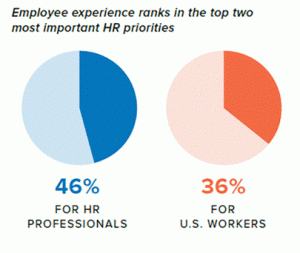
A February SHRM survey of 1,197 HR professionals and 1,206 U.S. workers found that among a list of 12 HR responsibilities, both groups said “creating a positive employee experience” was the most important HR responsibility. In fact, 46 percent of HR professionals and 36 percent of workers ranked it first or second in importance.
Additionally, 24 percent of HR departments use employee experience metrics – such as Employee Pulse surveys or Jacob Morgan’s Employee Experience Index – and reported improvements in company culture, employee engagement, collaboration and retention.
But if HR professionals are wondering whether they should measure employee experience instead of engagement, it seems that neither metric is better than the other.
Instead, they are like looking at the same subject through different lenses. It seems that monitoring both together gives a more complete picture of the workplace than either alone. In fact, employee experience and employee engagement measured together can explain 54 percent of employees’ job satisfaction levels and 42 percent of their willingness to leave their jobs.
Defining Employee Experience
According to the findings, how you view the employee experience depends in part on whether you are an HR professional or a non-HR professional. For non-HR professionals, interactions with colleagues and supervisors shape their employee experience, while HR professionals tend to view the employee experience based on the actions of their organization’s senior leaders and the company culture.
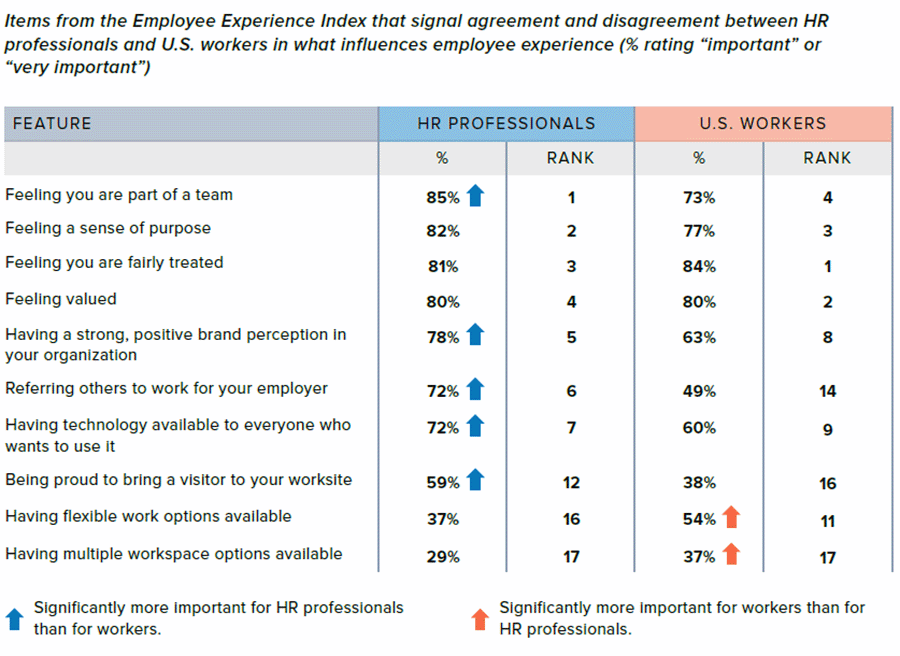
Both HR and other employees agreed that the following were the most important elements that contribute to the employee experience, even though they ranked them differently in terms of importance:
“SHRM is passionate about improving the world of work through timely workplace research and thought leadership. Employee experience highlights the key role a positive work culture plays in reducing turnover and increasing productivity. As they celebrate Employee Appreciation Day, we encourage organizations to consider this concept for their employees and use that information to benefit all members of their workplace.”
Measuring employee experience
SHRM offered the following recommendations for measuring employee experience:
- Gather internal stakeholders to define what a positive employee experience means to your organization. For example, flexible schedules may be more critical in a manufacturing company, while autonomy may be more important in a technology company.
- Define the employee experience and how employees are involved. Include this in various materials – employee handbooks, job descriptions, training materials, and through other tools such as employee committees.
- Use the training program manager to highlight the impact of leadership styles on the employee experience for team members.
- Consider informal employee feedback, such as casual conversations or employee listening sessions with a trained facilitator. Invite employees to propose and carry out time-bound projects to address discovered issues.
- Consider frequent, short pulse surveys instead of a large annual survey. Avoid “survey fatigue” by focusing on aspects that matter to your organization’s employees. Then, share the results in a timely and constructive manner.
- Design onboarding and exit experiences based on your organization’s definition of a positive employee experience.
- Use exit interviews to learn about the employee’s experience and how poor experiences might be corrected in the future.
SHRM researchers noted that “every member of an organization shapes the employee experience.” For example, senior leadership should demonstrate consistent behaviors that shape their organization’s culture and dedicate resources to addressing negative issues uncovered in employee surveys.
However, HR departments have the greatest impact on overall employee relations. HR departments must take ownership of employee experiences and thoughtfully nurture them. Doing so will promote positive organizational outcomes.
“There are a number of aspects of the employee experience that we as HR professionals can and should pay attention to. Despite all the aspects that the organization has the power to improve, HR must be a staunch advocate for those change efforts.”
Source: shrm.org


Post a comment
View comments